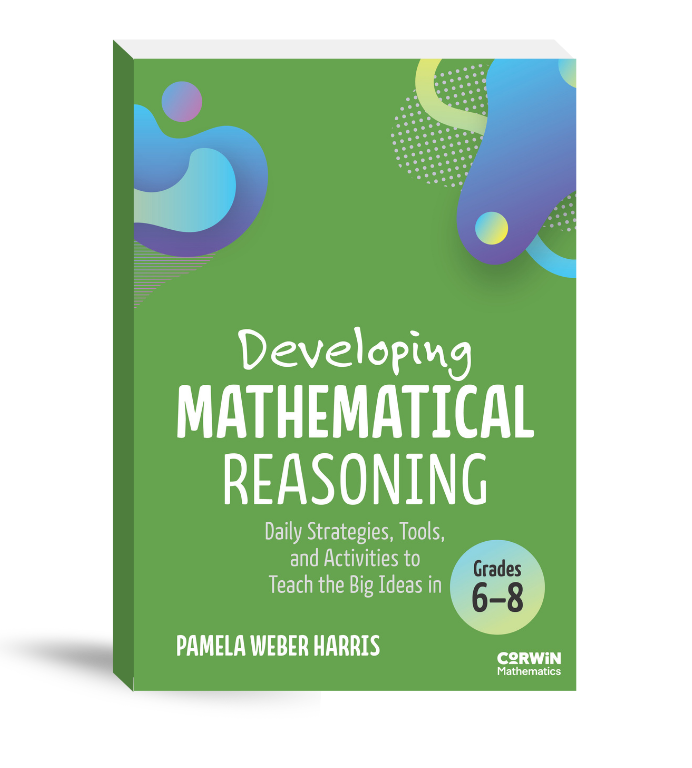
Ready to help your students build reasoning? Join us!
📅 Date: October 14, 2026
⏰ Time: 8:00 PM ET | 7:00 PM CT | 6:00 PM MT | 5:00 PM PT
Are you tired of watching middle schoolers memorize steps and fall apart when a problem looks a little different?
We can equip you with the strategies to guide students toward confident, fluent reasoning.
Join Pam Harris as we celebrate the launch of her new book, Developing Mathematical Reasoning: The Strategies, Models, and Lessons to Teach the Big Ideas in Grades 6–8!
In this live session, Pam shares practical tools straight from the book to help you honor student thinking and build real mathematical relationships. You'll walk away with actionable strategies to help your students math through connections rather than rote-memorization.
Because middle school math is more than a list of rules to memorize. Middle school math is FigureOutAble!
What You'll Learn During This Webinar
Here is a peek:
- How to shift students away from rules to genuine proportional reasoning
- Powerful visual models that make ratios, rates, and fractions more intuitive
- Classroom routines that spark rich mathematical discourse and honor student thinking
- How to bridge the gap between middle school math and high school algebra success
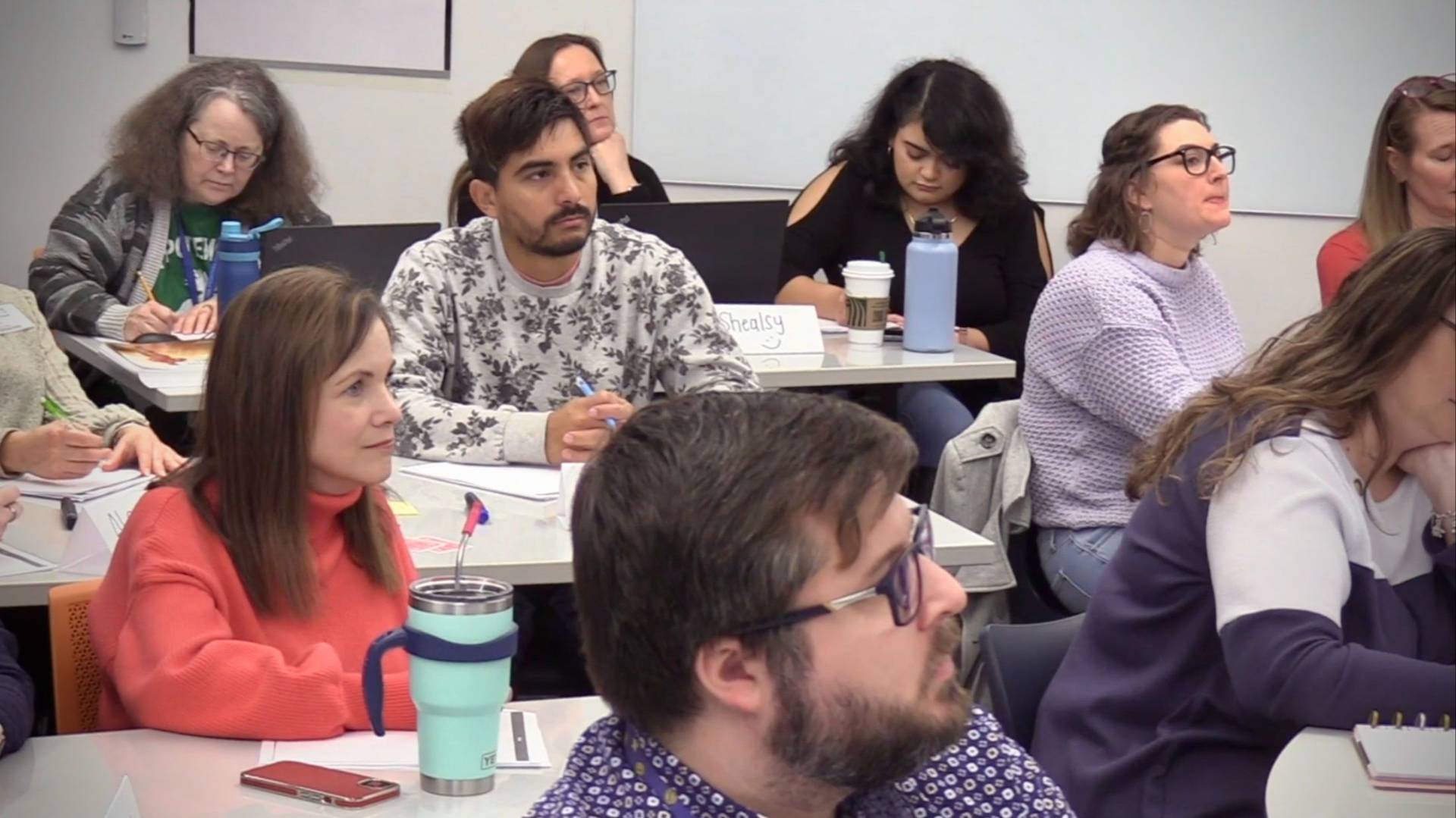
Why Grades 6–8 Matter So Much
The middle school years are a critical turning point in students' mathematical development.
During these years, students encounter concepts that not only shape their life-long identity with math, but also often determine their success in high school mathematics. When students grapple with these ideas rather than memorizing procedures, they are more likely to build a strong foundation, understand the mathematics deeply, and be able to reason flexibly about higher-level content.
During the webinar, Pam will highlight how true mathematical reasoning affects all of the major conceptual pillars of middle school mathematics:
- Ratios, Rates, and Proportional Reasoning
- Fractions, Decimals, and Percents
- Expressions and Equations
- Geometry and Measurement
You'll leave with practical insights you can apply immediately in your classroom.
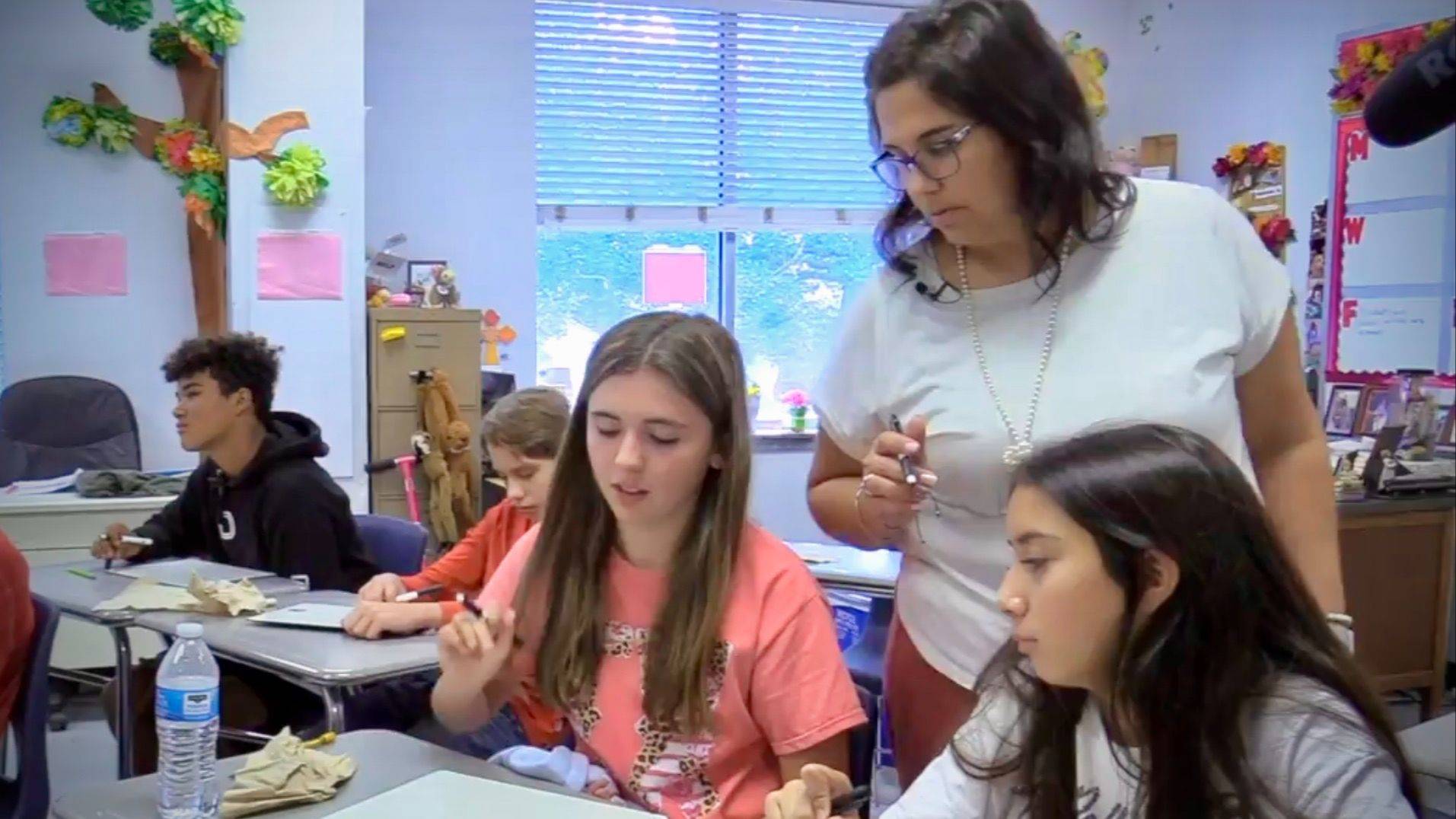
What Makes This Shift Different?
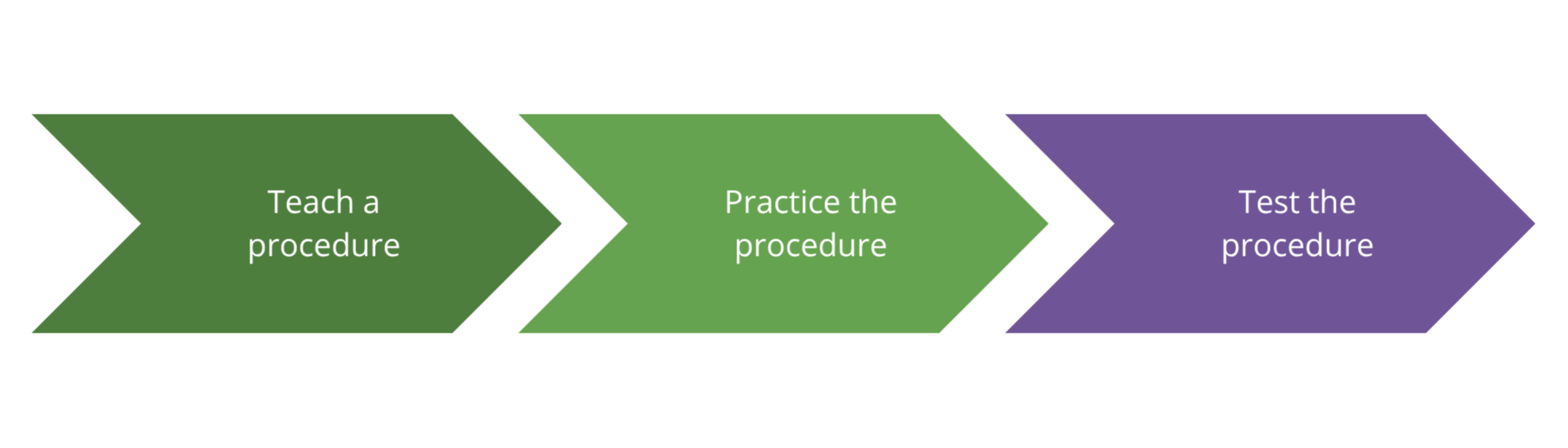
Many resources focus on helping students perform procedures.
Developing Mathematical Reasoning focuses on helping students math the way mathy people actually math.
In this webinar, you'll see how reasoning develops through research-based progressions:
- Intentionally sequenced learning experiences
- Visual models and representations
- High dosing of important mathematical patterns and relationships
- Purposeful classroom discussions
Instead of telling students what to do, you'll learn how to help them math, how to do the mental actions that math-y people actually do.
More success. More fulfillment.
Who Should Attend?
This webinar is designed for:
- Grades 6–8 mathematics teachers
- Math coaches and instructional specialists
- Curriculum leaders
- Interventionists
- Professional learning communities
- School and district leaders
Whether you're looking to strengthen student reasoning, improve algebra readiness, or support teachers in developing impactful teaching, this webinar will provide practical ideas you can use right away.
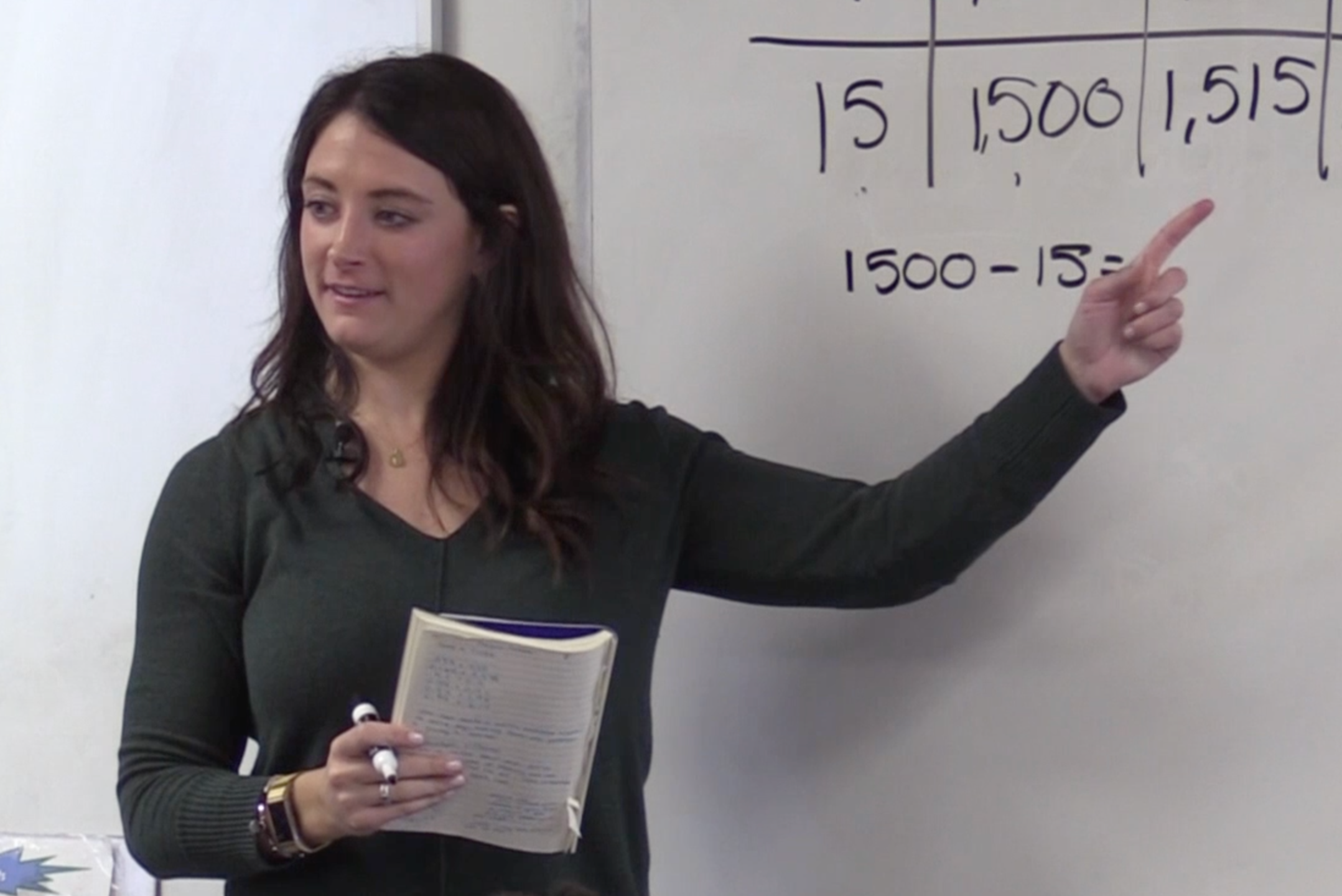
When "Covered" Doesn't Mean Understood
For many middle school teachers, there comes a moment when the usual approach stops making sense.
I'm not sure why they aren't making the connections.
I'll explained how to solve these integer problems. We practiced. But they keep mixing up which rule to use when. It works during the unit, and then as soon as we move on, it's like they forget everything.
They memorize a rule about double negatives or multiplication, apply it to a subtraction problem, and end up completely lost. I'm working hard and trying every strategy I can think of, but my students just aren't learning the way I hoped.
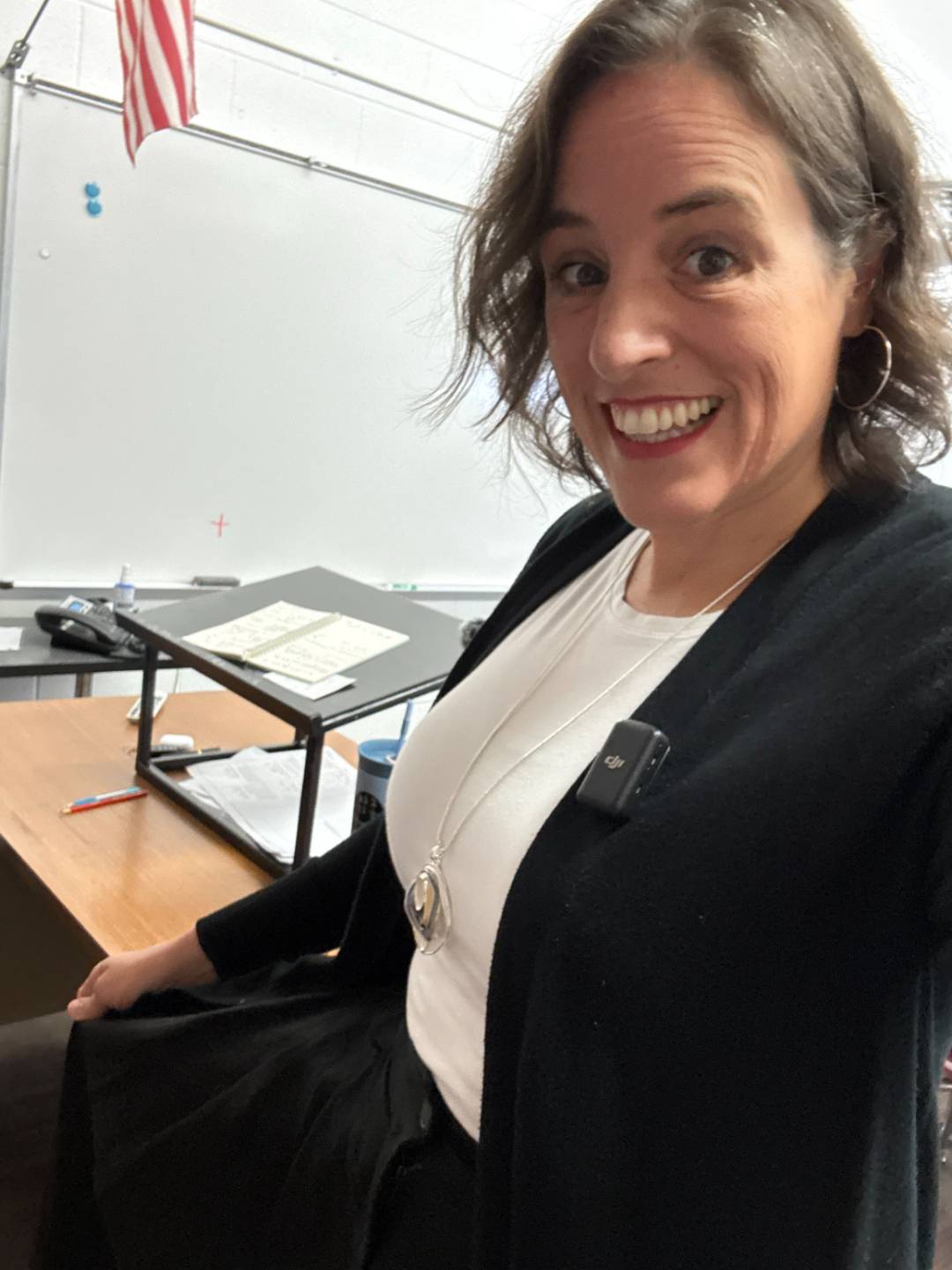
Kourtney Peters knows that moment well
As a former middle school teacher, Kourtney tried all the standard tools—sharing multiple strategies, lots of number talks, and even rich tasks. But while she was gaining insights into how her students thought, her students weren't actually building their own reasoning. Rule-followers felt anxious without steps to copy, while struggling students withdrew, overwhelmed by hearing multiple methods without enough coherence to make sense of any of them.
That all shifted when Kourtney found Math is FigureOutAble and started using Problem Strings.
By using targeted sequences, her middle schoolers finally got the dose of patterns and relationships they needed. Instead of just listening to classmates explain methods, students actively used new strategies right away, shifting from passive step-following to confident, capable problem solving.
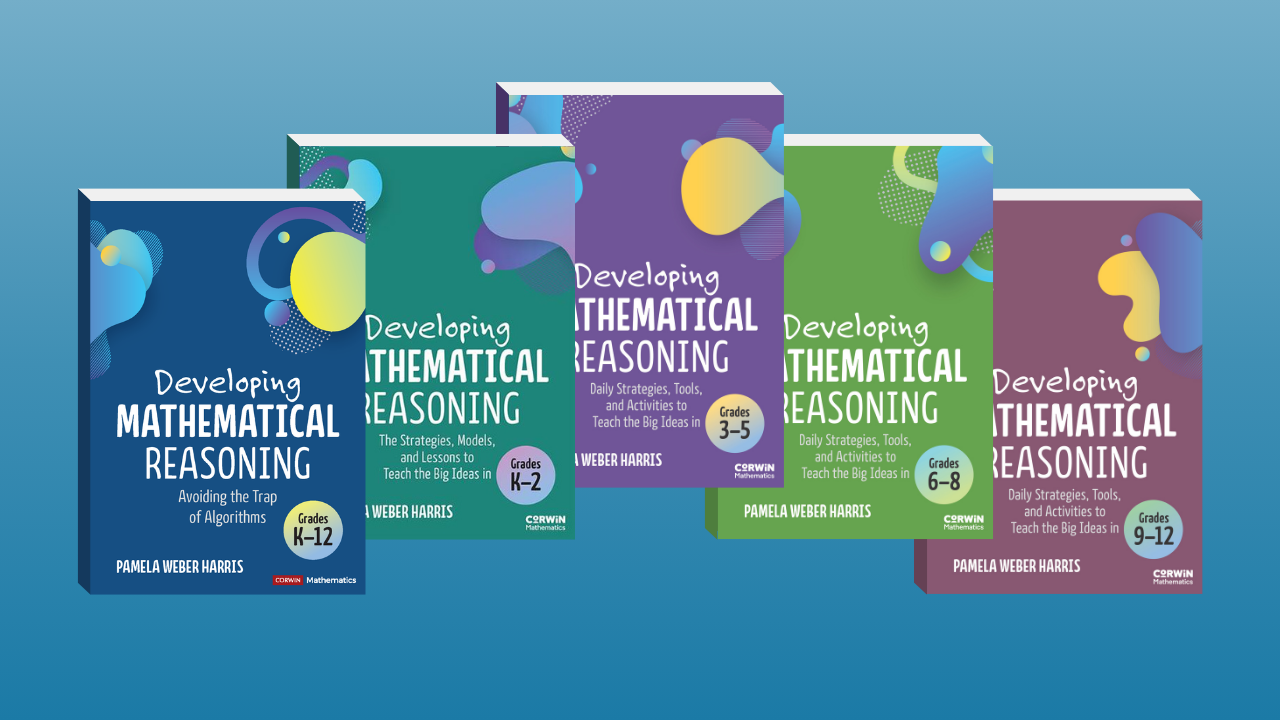
Kourtney's story of recognizing that gap—and shifting her instruction toward true sense-making—is featured in Pam Harris's new book, Developing Mathematical Reasoning: The Strategies, Models, and Lessons to Teach the Big Ideas in Grades 6–8.
If you've ever felt like your effort isn't producing the deep mathematical thinking you want for your students, you're not alone.
And you're in the right place.
Read Kourtney's full storyWhat This Book Helps You Do
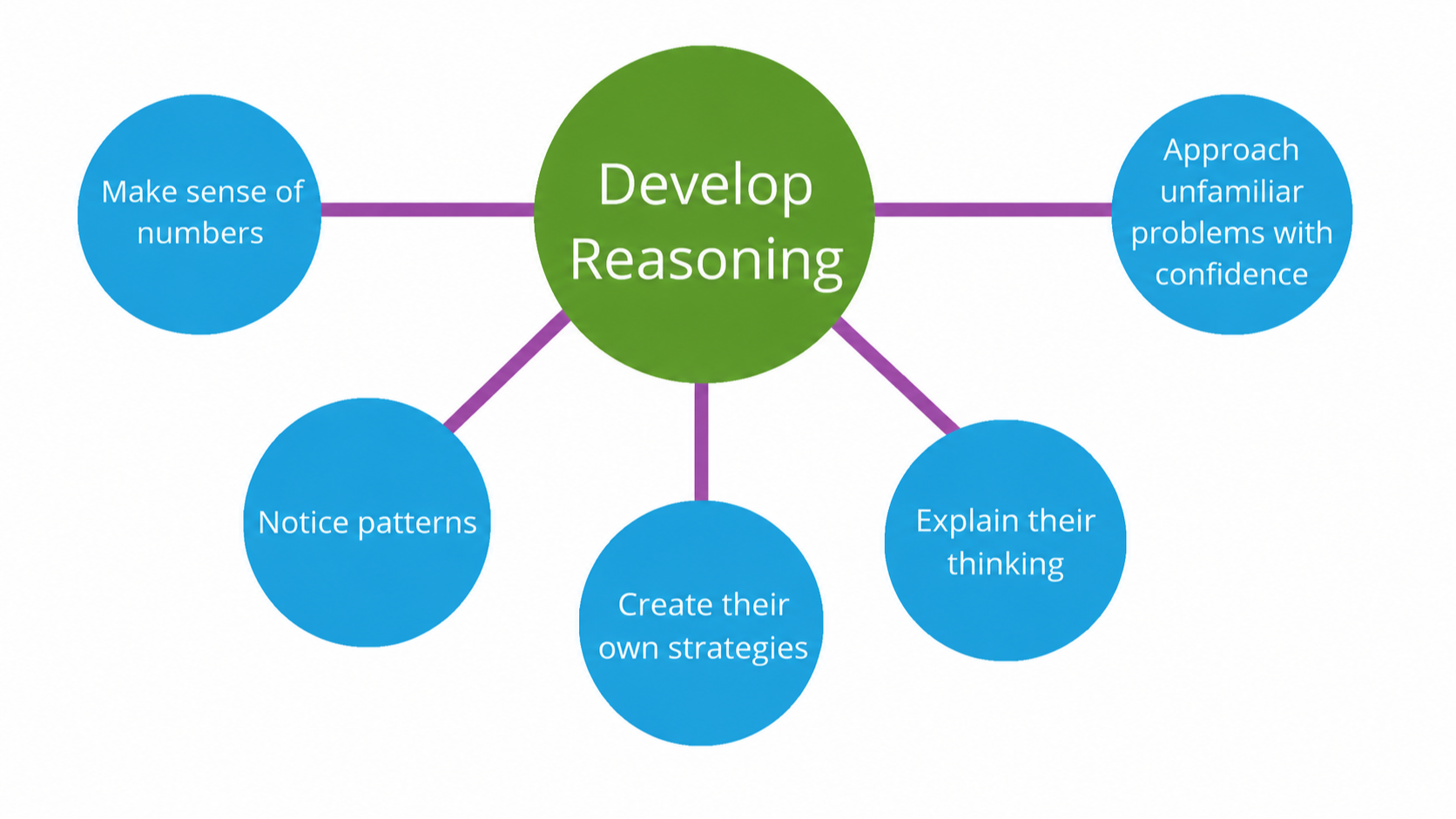
This book is designed to help teachers build classrooms where students:
✔ Reason about numbers and problems instead of mimicking steps
✔ Develop flexible strategies instead of relying on memorizing rules
✔ See and use mathematical relationships
✔ Explain and justify their thinking
✔ Approach problems with confidence
Instead of asking students to remember what to do, this book focuses on helping them use what they know to reason and building more math in the process.
Inside the Book
You’ll find practical tools you can use right away, including:
Problem Strings
Carefully designed sequences of problems that help students notice patterns and develop strategies.
Strategy Development
Learn the major strategies needed to build Additive, Multiplicative, and Proportional Reasoning, as well as how to build them in your students.
Models That Reveal Structure
Powerful models that make mathematical strategies accessible.
Teacher Moves That Support Thinking
Questions and important nudges that encourage and help students to reason, explain, and connect ideas.
Classroom Examples
Real examples of student thinking and how teachers respond to it.
Voices from experts in the field

John SanGiovanni
INSTRUCTIONAL FACILITATOR FOR ELEMENTARY MATHEMATICS, ELLICOTT CITY, MD
“Pam Harris makes the often-messy work of ‘reasoning over rules’ feel concrete and teachable—showing middle grades teachers how to move students beyond algorithm-following into real mathematical thinking. With clear learning progressions and practical routines like ProblemStrings that help students see the math and make sense of relationships, this book is both a mindset shift and a ready-to-use roadmap.”
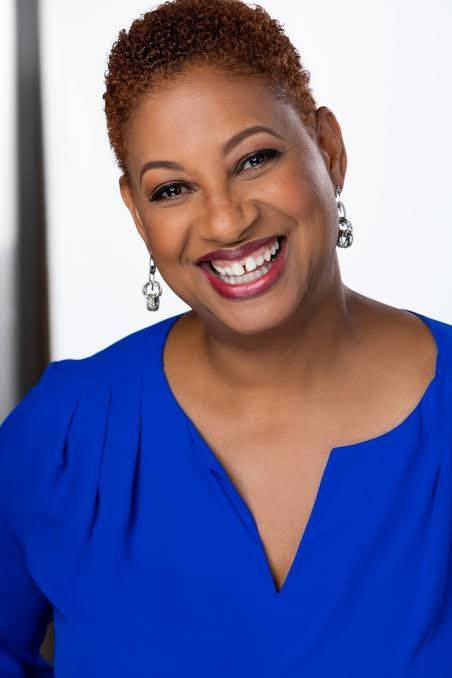
Pamela Seda
PROFESSOR, SIMON FRASER UNIVERSITY; VANCOUVER, BRITISH COLUMBIA, CANADA
“Pam Harris has written the book teachers have long needed. Fractions and proportional reasoning are the bedrock of algebraic thinking, and she makes both accessible with practical, research-grounded strategies. This book doesn’t just build understanding—it helps both students and teachers reclaim their confidence.”
Carrie S. Cutler
CLINICAL ASSOCIATE PROFESSOR, UNIVERSITY OF HOUSTON, HOUSTON, TX
“Developing Mathematical Reasoning: The Strategies, Models, and Lessons to Teach the Big Ideas in Grades 6–8 is an energizing read that helps middle school teachers move students beyond procedures to making sense of ratios, proportional reasoning, and operations through purposeful tasks. The book feels immediately usable for Grades 6–8 classrooms, offering practical moves that strengthen conceptual understanding while building coherence across the middle school math curriculum.”
FAQs
Is this book available outside of the US?
How do I make a bulk purchase?
Can I pay for a purchase with a P.O.?
If I buy a book, how long will it take to arrive?
Ready to Help Students Make Sense of Middle School Mathematics?
Join us for this free webinar and discover practical strategies to help students reason, connect ideas, and build a stronger foundation for confident self-identities and future mathematics.
📅 Date: October 14, 2026
⏰ Time: 8:00 PM ET | 7:00 PM CT | 6:00 PM MT | 5:00 PM PT
Reserve Your Spot!