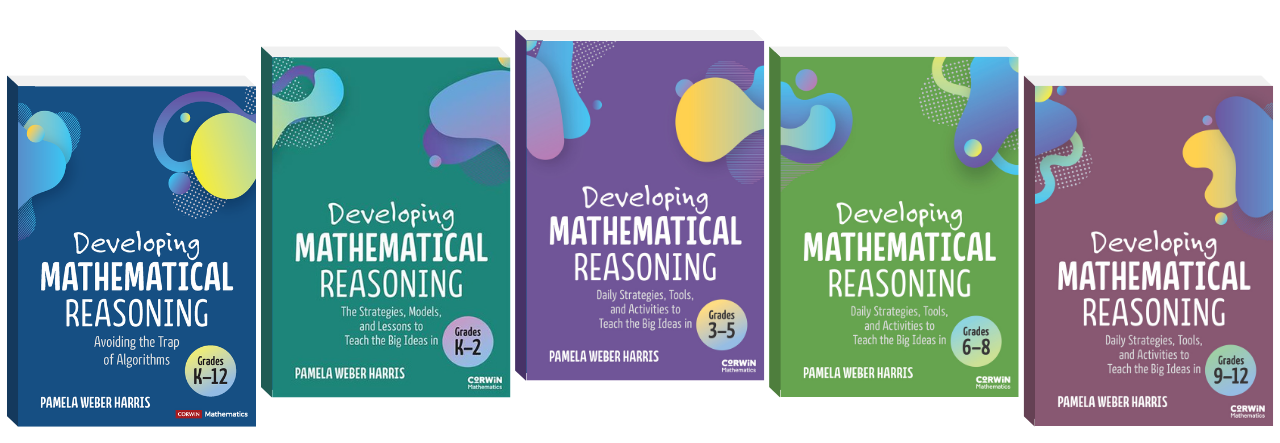
Developing Mathematical Reasoning Series
Math is not rote-memorizable. Math is not random-guessable. Math is Figure-out-able!
What if students did not need to memorize math... because they can actually figure it out!
The Developing Mathematical Reasoning series is designed to help teachers move beyond procedures and build classrooms where students reason, make connections, and truly understand mathematics, math-ing better than ever before.
This series begins with a powerful idea:
Math is not something to memorize. Math is something students can make sense of.
Start with the Foundation
Developing Mathematical Reasoning:
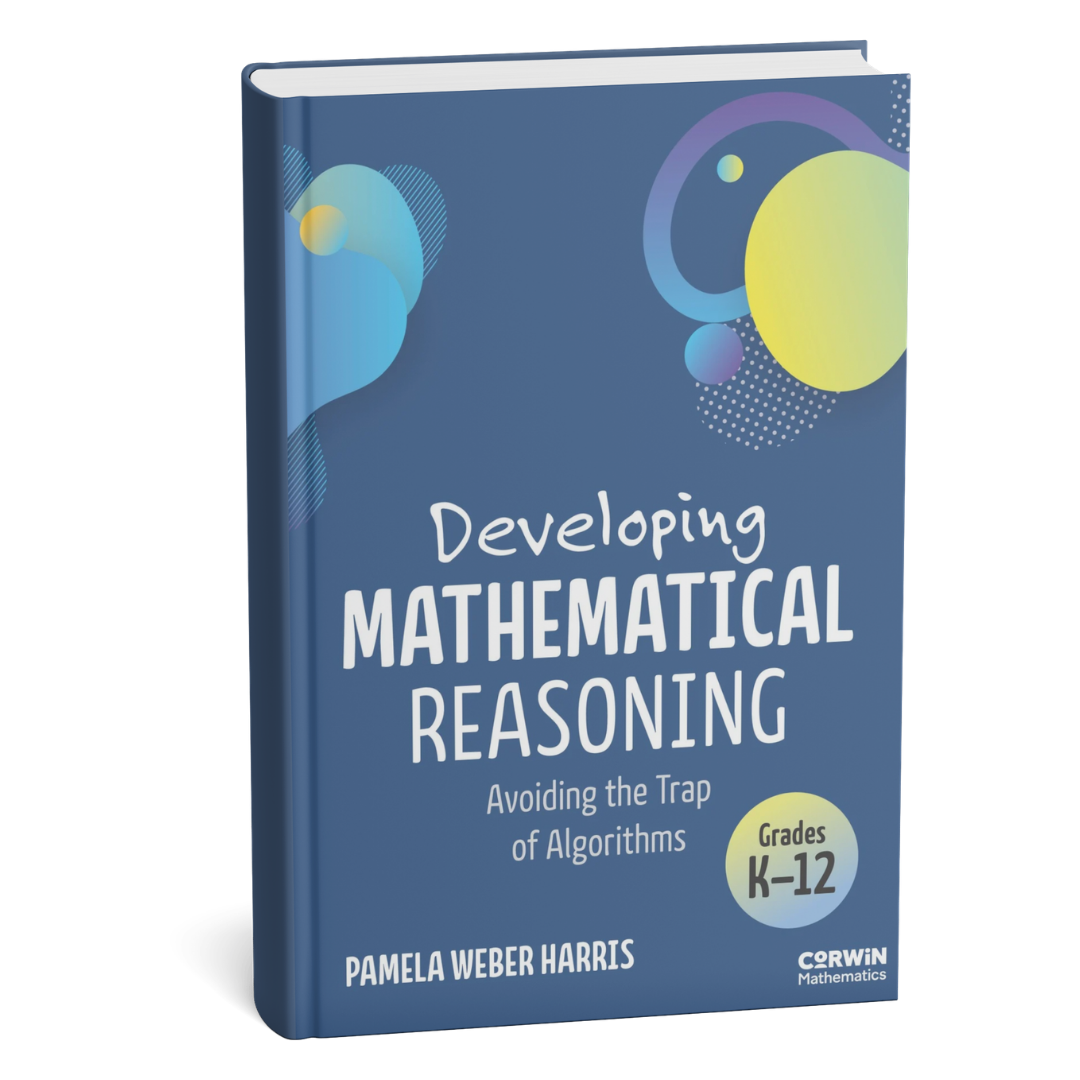
Avoiding the Trap of Algorithms
This is the book that started it all.
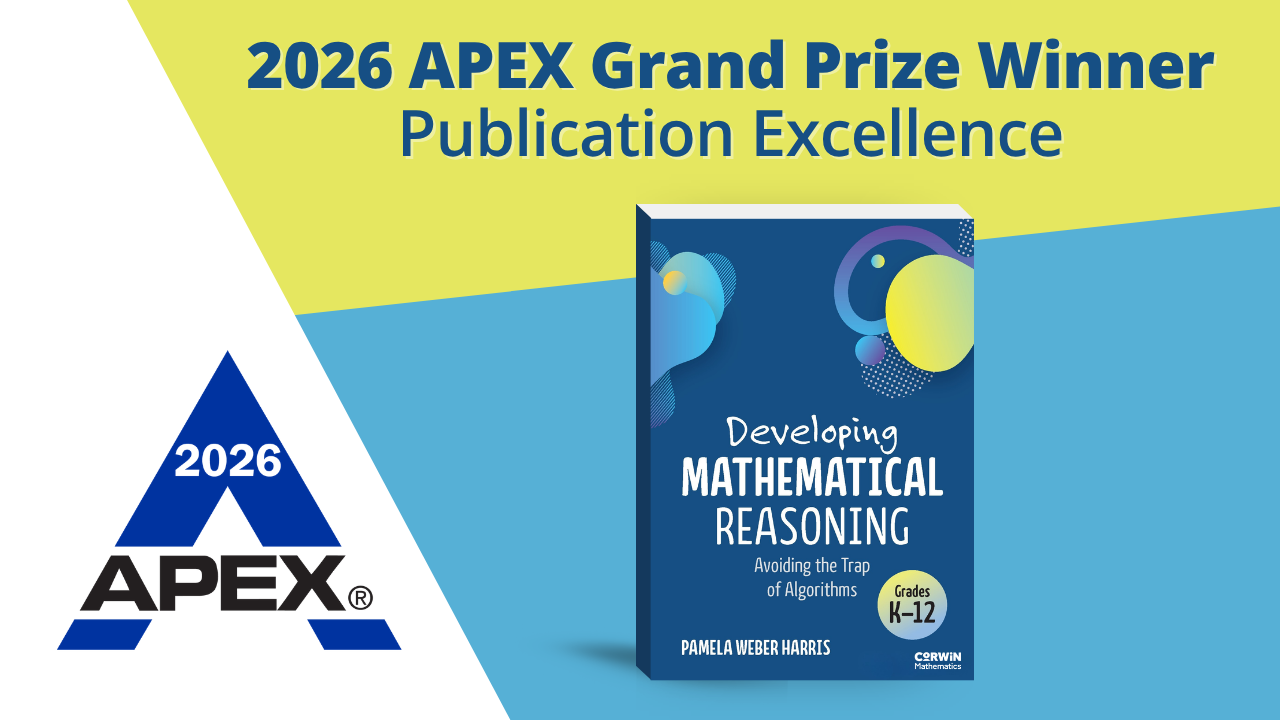
Winner of the APEX Grand Prize for Publication Excellence
Featured on Education Week's 2026 Ultimate PD Reading List
Recognized for excellence in educational publishing and its impact on mathematics education. In Avoiding the Trap of Algorithms, Pam Harris challenges the way math has traditionally been taught and offers a different path forward. Instead of relying on rules and tricks, this book focuses on helping students develop deep, connected mathematical reasoning.
You will explore:
- Why algorithms can actually hinder long-term understanding
- How mathematical reasoning develops over time
- The relationships, strategies, and models that support real learning
- Practical ways to shift your instruction immediately
This book lays the groundwork for everything that follows.
Start with the Foundational Book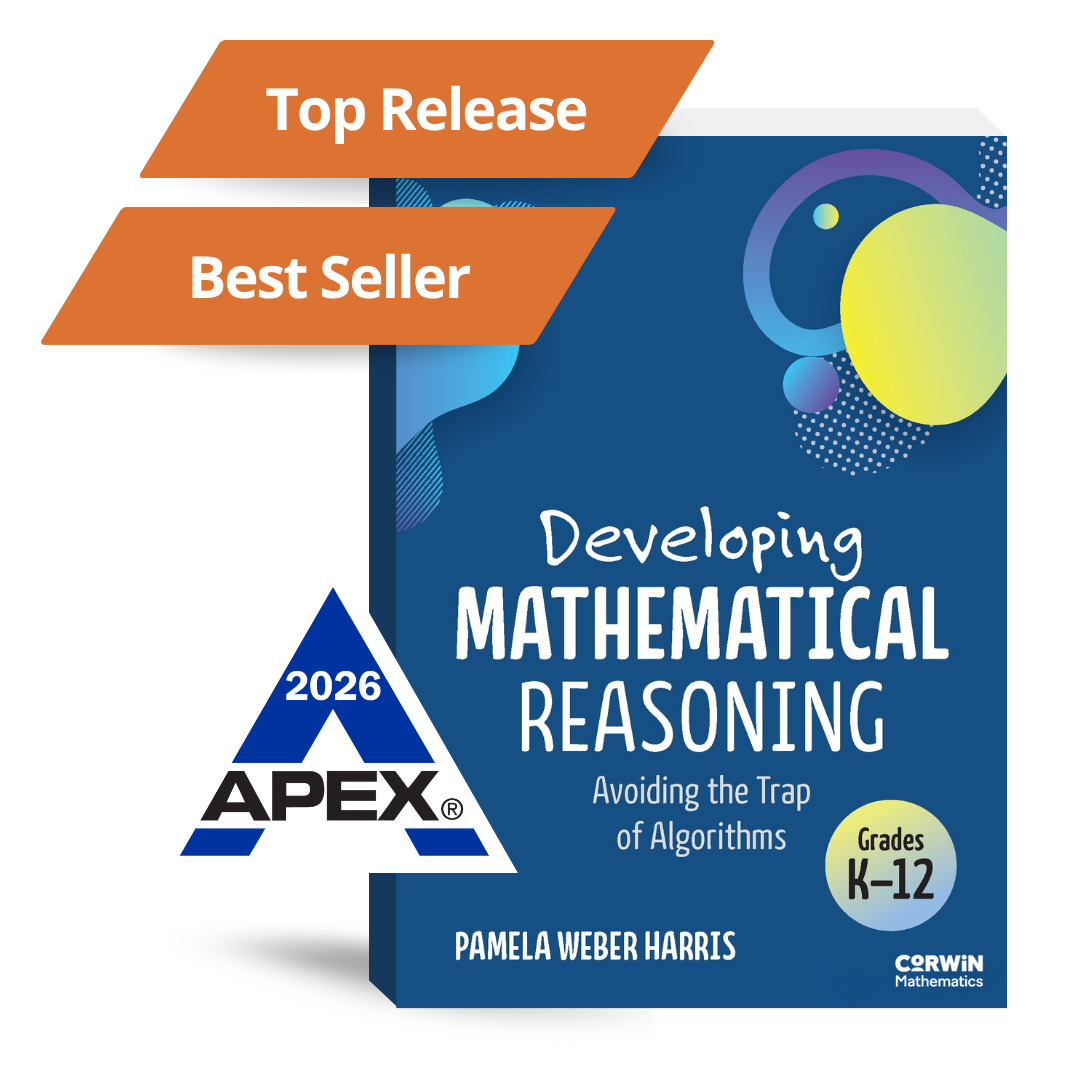
Then Go Deeper by Grade Band
Once you understand the "why", the rest of the series shows you exactly what it looks like in the classroom.
Each grade-band book takes the core ideas of reasoning and brings them to life with specific strategies, models, Problem Strings, and lessons tailored to students at that level.
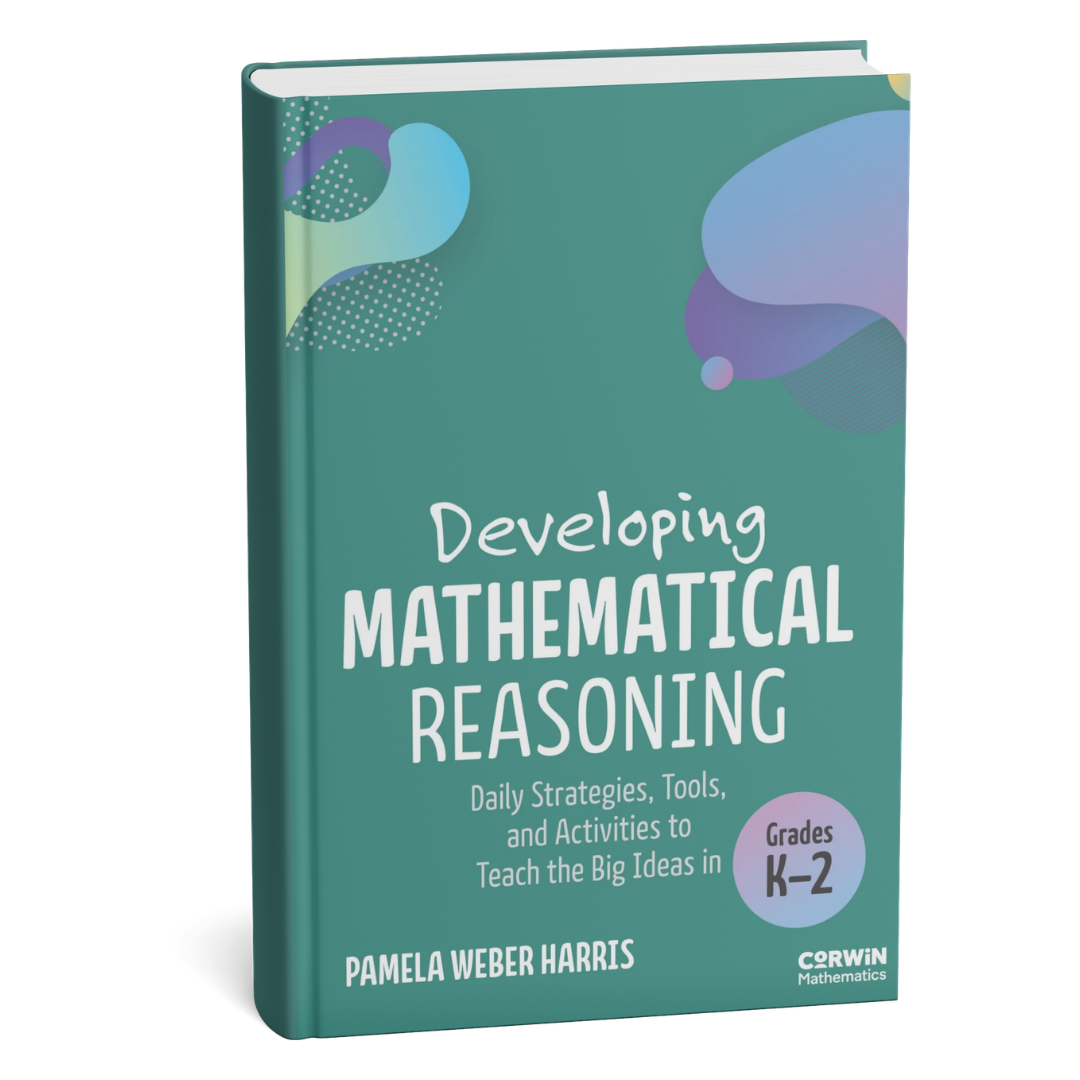
Grades K-2
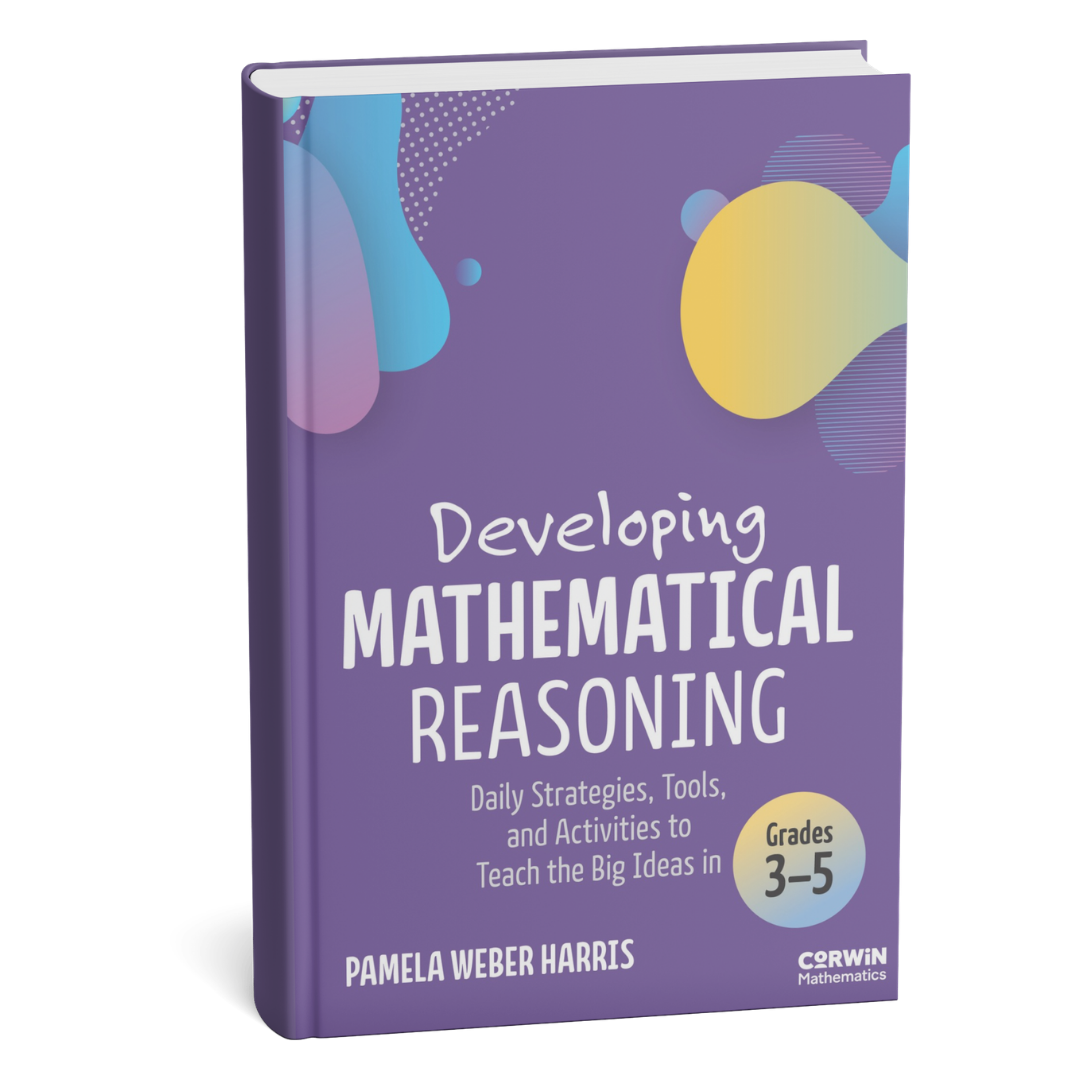
Grades 3-5
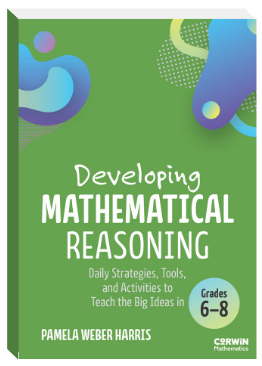
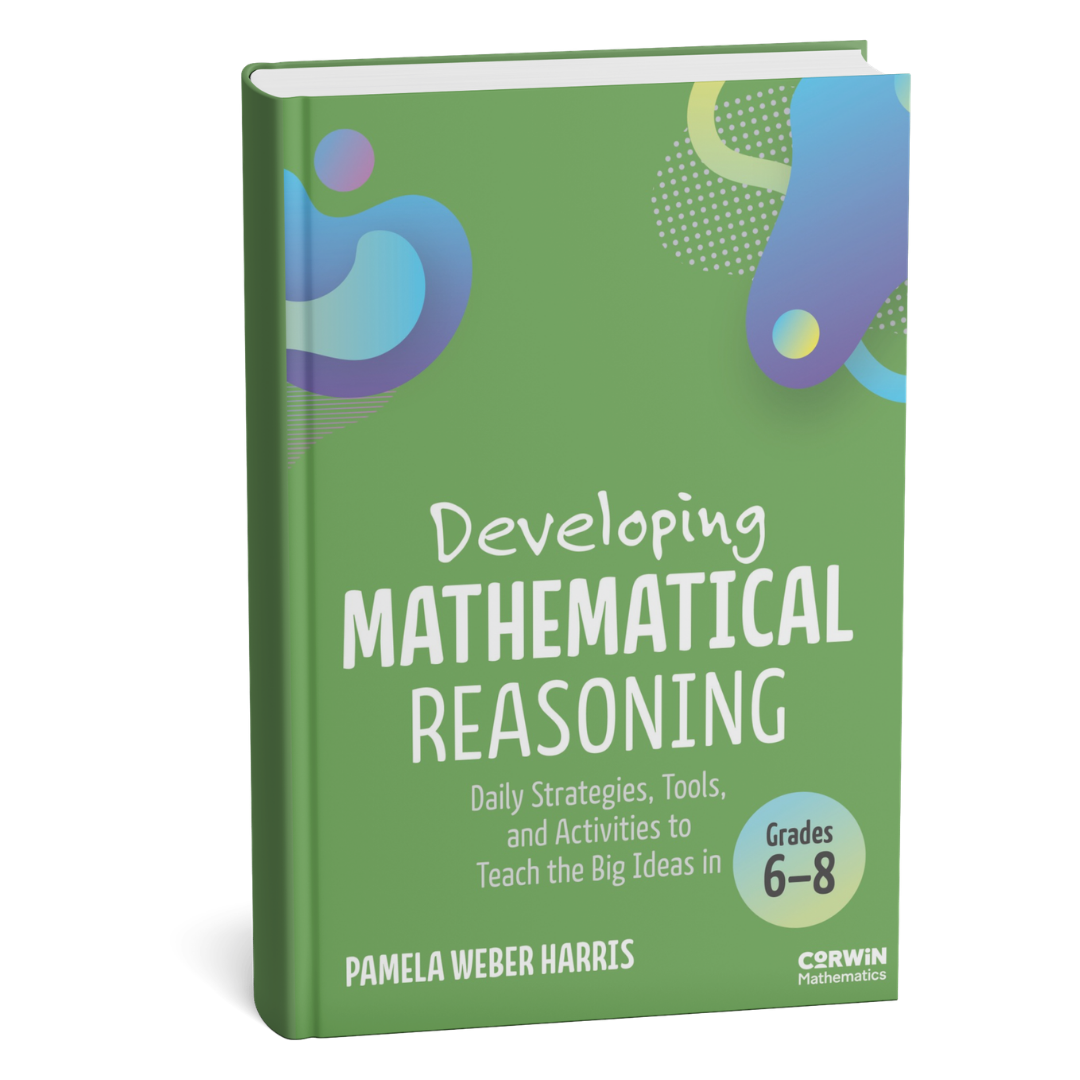
Grades 6-8
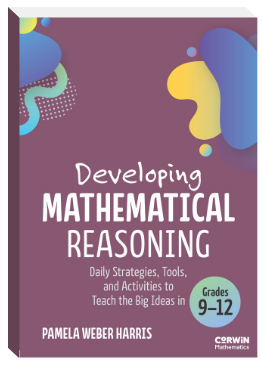
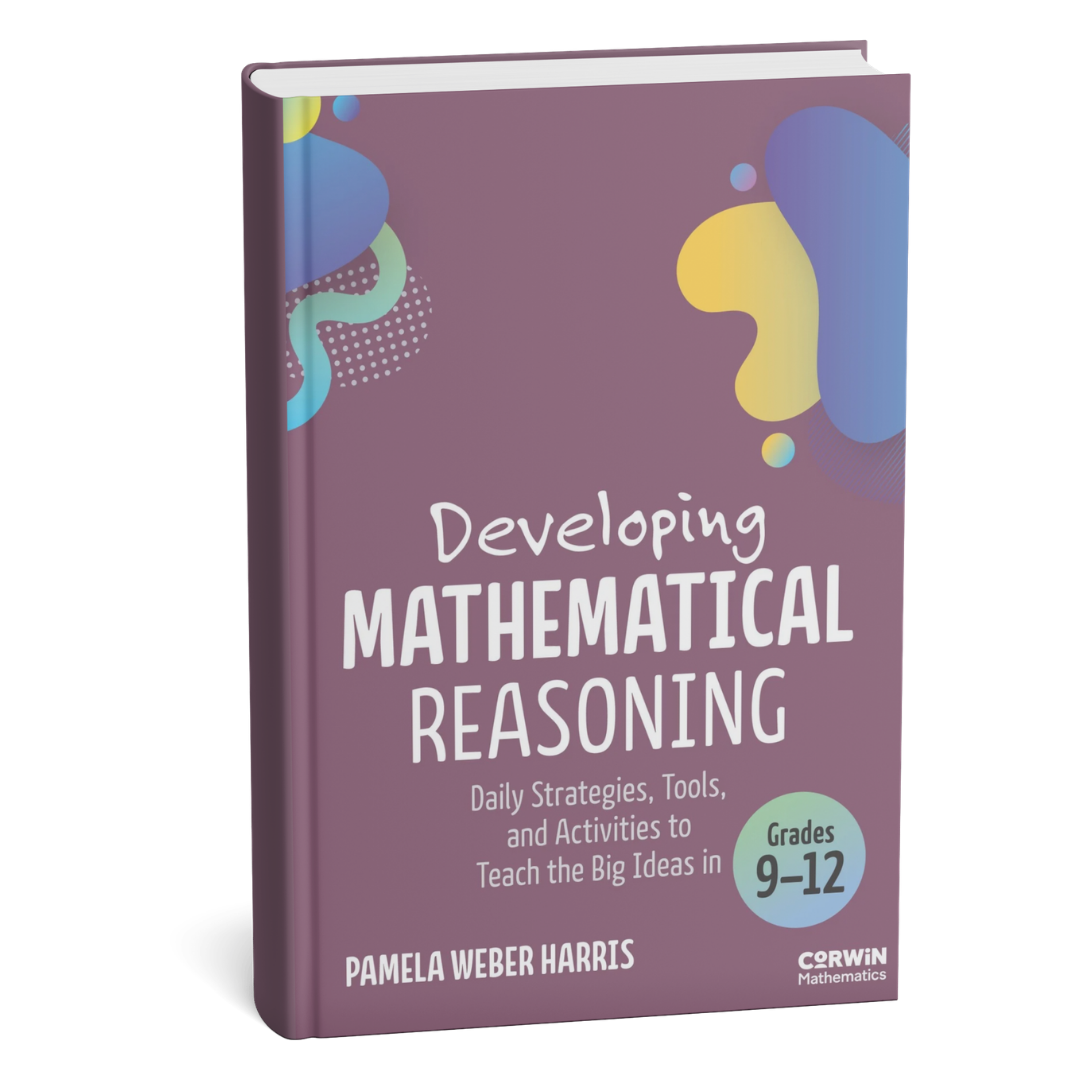
Grades 9-12

Peter Liljedahl
PROFESSOR, SIMON FRASER UNIVERSITY; AUTHOR, BUILDING THINKING CLASSROOMS, VANCOUVER, BRITISH COLUMBIA, CANADA
“In this book, Pam Harris continues her quest to make math figure-outable-this time for grade 3-5 teachers. Through real classroom examples, Harris teaches us how addition, subtraction, multiplication, and division strategies should be experienced and understood, and she gives us the tools o teach these central ideas in mathematics.”

Jo Boaler
NOMELLINI & OLIVIER PROFESSOR OF EDUCATION, STANFORD UNIVERSITYSTANFORD, CA
“Who better than Pam Harris to help you introduce K–2 students to mathematical reasoning—the language, the music, and the poetry of mathematics. A must-read book filled with teaching strategies and creative ideas.”
Award-Winning Mathematics Education
Developing Mathematical Reasoning: Avoiding the Trap of Algorithms was awarded the APEX Grand Prize for Publication Excellence, one of the publishing industry's highest honors.
The award recognizes the book's contribution to helping educators move beyond procedures and algorithms to develop deep mathematical reasoning in students.
This recognition reflects the work of thousands of educators dedicated to helping students become confident mathematical thinkers.
What Makes This Series Different?
This is not a collection of activities.
This is a shift in how we think about teaching math.
Across the series, you will find:
- Problem Strings that build understanding step by step
- Rich Tasks and models that reveal mathematical structure
- Instructional routines that support discussion and reasoning
- Teacher moves that create classrooms where students feel safe to think and participate
The goal is simple and powerful:
Help students see math as something they can figure out.
Start Teaching for Understanding

Pam Harris
Author
Pam Harris, author of Developing Mathematical Reasoning: Avoiding the Trap of Algorithms, is shifting the way we view and teach mathematics. She is a mom, former high school math teacher, university lecturer, author, and the Founder of Math is FigureOutAble.
Math teachers around the world rave about her online Building Powerful Mathematics workshops. For over 20 years, Pam has been helping leaders and teachers reach more students in less time so that students math with confidence and success.
Where Should You Start?
- Start with Avoiding the Trap of Algorithms if you want to understand the big shift in teaching math
- Jump into your grade band if you are ready for classroom-ready strategies right away
Either way, you will begin building students who do more than follow steps.
They will reason.
They will make connections.
They will understand.
Ready to Build Mathematical Thinkers?
Explore the Developing Mathematical Reasoning series and start creating classrooms where math finally makes sense.
All the books from Pam HarrisLooking for More Ways to Support Mathematical Thinking?
Here are a few ways to keep the learning going:
Math is FigureOutAble Solution
School- or District-wide professional learning designed to build lasting instructional change.


Math is FigureOutAble MiniWorkshops
Short, focused learning you can access anytime.

Math is FigureOutAble Podcast
Ongoing conversations and insights to support your practice.
Listen to the Podcast